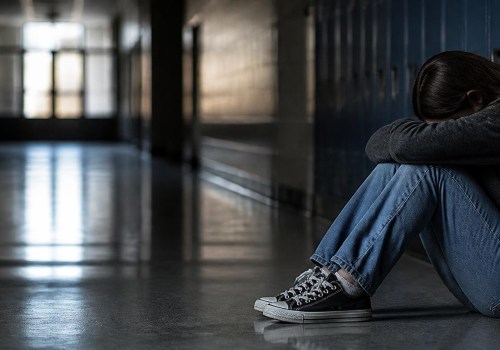
Silence is common after hazing. Survivors often keep quiet out of fear, loyalty to the group, embarrassment or simple uncertainty about whether what happened "counts." If that sounds familiar, you should know that not reporting does not close the door. In Illinois, a civil hazing claim does not depend on a police report, a criminal charge or a conviction. Most people who contact our office never reported what happened to them.
A Civil Claim Asks Different Questions
Criminal cases focus on whether one person broke the law. A civil claim looks at the institutions around that person: what the school, and often a national organization, knew, what it should have known and what it actually did. Civil cases also use a lower standard of proof than criminal ones, and they are usually brought against the institution instead of the individual.
Illinois Has a Specific Hazing Law
The state's hazing offense appears at 720 ILCS 5/12C-50. Hazing occurs when someone knowingly requires a student to perform an act as part of joining a group connected with a school, the act is not sanctioned by the school and it results in bodily harm. It is a Class A misdemeanor, and it rises to a Class 4 felony when it causes death or great bodily harm.
In a civil case, the key part of that definition is whether the institution sanctioned the act. An organization that knew an initiation practice existed and let it carry on has already answered that question against itself. A national fraternity or sorority can be named as a defendant alongside the chapter and the school.
Who Is Responsible
These claims are generally brought against the school and often a national organization, not just the individuals involved. The theory most often behind them is negligent supervision, although several theories usually apply together. Which ones fit is a question about your facts.
The responsible organization is usually private, so the Tort Immunity rules that cover claims against Illinois public bodies do not apply in the same way. The questions are the ordinary ones about how an institution met its duties.
It Happened a Long Time Ago
That is the norm, not the exception. Many survivors come forward years later. Whether a claim can still be brought depends on your age when it happened, who was responsible and the particular facts.
What Happens After You Reach Out
Asking a question sets nothing in motion. You speak with a person, and you do not need to describe what happened to have that conversation. We look into who had a duty to protect you, what they knew, what records exist and whether a claim is still available, at no cost to you. Then we tell you plainly what is possible, and you decide. If you choose not to go forward, that is the end of it, and what you shared stays confidential. If you do go forward, we carry the filings, deadlines, records and dealings with insurers, and steps can be taken to protect your identity in the court record.
Contact Us
Ervin Nevitt is a partner at Coplan + Crane, admitted in Illinois since 2014. Calls are answered 24 hours a day at (708) 671-6858. The office is located at 60 W Randolph St, Suite 333, Chicago, IL 60601.
If you need someone to talk to right now, call the RAINN National Sexual Assault Hotline at 1-800-656-4673. It is free, confidential and open 24/7. If you are in immediate danger, call 911. Talking to a hotline does not affect your legal options or create a record you must share with us. To learn more, visit https://survivorsofabuseil.com/hazing-sexual-abuse-lawyer-il/.
Attorney advertising. This post is general information, not legal advice.