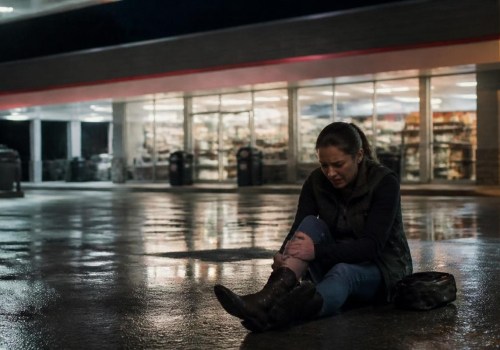
Shootings tend to dominate headlines, but stabbings cause devastating injuries too: severed tendons, punctured organs, nerve damage, and deep scars that last a lifetime. Many stabbing victims wonder whether the law treats their situation differently because no gun was involved. In Washington negligent-security cases, the answer is no.
Same legal framework, different weapon
Under Washington law, businesses must take reasonable care to shield visitors from crimes by others that can reasonably be anticipated, and nothing in that rule turns on the type of weapon. Whether an attacker used a firearm, a knife, a broken bottle, or bare fists, the questions are the same: Was the danger foreseeable? Did the owner fail to take reasonable precautions? Did the lapse help cause the injury?
If the answers point against the owner, the victim may recover from the business or landlord through a civil action that stands apart from the attacker's prosecution.
Where stabbings happen across Washington
Knife attacks occur in every part of the state, from dense urban neighborhoods in Seattle and Tacoma to downtown districts in Spokane, Everett, and Vancouver and smaller communities in between. Certain settings appear often in negligent-security claims.
Bars, taverns, and nightclubs. Crowding, alcohol, and late hours can turn arguments violent. Venues are expected to manage capacity, train staff to de-escalate conflicts, screen for weapons where risk warrants, and respond quickly when fights begin.
Apartment complexes. Broken entry doors, unsecured stairwells, and poorly lit parking areas give intruders access to residents. Recurring problems with trespassers or violence on the property can put landlords on notice.
Transit stations and stops. People waiting alone at night, crowds during events, and limited supervision create risk. Businesses and property owners near these hubs may know about repeated incidents.
Convenience stores and gas stations. Robberies can involve knives as well as guns, particularly at locations with a history of holdups.
Shopping centers and parking structures. Remote corners of large lots and garages without patrols or working cameras give attackers cover.
Hotels and motels. Uncontrolled access and ignored criminal activity can expose guests to violence.
Why knives can be harder to detect
Knives are small, inexpensive, and easy to conceal. Where weapon screening is part of a venue's security plan, such as at some nightclubs or event spaces, staff must be trained to find blades as well as firearms. Bag checks that are rushed or skipped, and wands that are never used, can allow knives inside just as easily as guns.
Proving foreseeability for a stabbing
Washington courts usually want to see comparable earlier crimes at or around the site, or some other clear signal that violence was coming. Earlier stabbings, assaults, armed robberies, and fights at the location can all be relevant, particularly when they happened in similar places and at similar times. Evidence often includes police calls for service, internal incident reports, complaints from tenants or patrons, and testimony from former staff.
Jurors ordinarily decide whether a given stabbing could have been anticipated.
Injuries and recovery
Stabbing injuries can require emergency surgery, repair of blood vessels or organs, long rehabilitation, and treatment for lasting trauma. With no cap on compensatory damages in Washington, a victim can pursue every medical expense, all lost pay, and payment for pain and suffering. When a stabbing takes a life, relatives have a wrongful-death remedy.
Pure comparative negligence may reduce an award if a victim is found partly at fault, such as for joining a fight. Except for a narrow intoxication-related rule, though, shared fault does not cancel the claim.
Deadlines and next steps
Washington generally allows three years after the attack, or after a death, to file suit. Video footage and witness memories fade far faster, so prompt legal help can preserve key evidence.
Victims can help by getting medical care, keeping records, requesting the police report, and noting what they observed about lighting, staff, and security at the scene. If friends or bystanders recorded video on their phones, ask them to save it.
How the firm handles Washington claims
Working from Coral Gables, the Haggard firm builds its practice around people hurt by crime. Michael A. Haggard is licensed by Florida and lacks a Washington license. For a Washington stabbing or shooting case, he works with locally licensed co-counsel and, if the court permits, seeks pro hac vice standing confined to that case.
About 500 negligent-security matters make up the firm's history. Its $102.7 million result is the greatest any U.S. jury has awarded in this area; the amount is gross.
The firm takes no attorney's fee unless it recovers money for the client. Confidential reviews are offered free at (305) 446-5700 or visit https://crimevictim.attorney/negligent-security/washington/.
Attorney advertising. These paragraphs give an overview, not advice on a specific stabbing or shooting. Representation begins only with a signed agreement, not a phone call. Mr. Haggard is admitted to practice in Florida, not Washington. Previous outcomes do not ensure similar results.